

Infrared home sauna solutions are evolving fast, but choosing the right setup in 2024 means weighing cost, ease of installation, safety testing, and clear ownership facts—not just glossy marketing. If you’re a health-conscious homeowner like Erin, seeking a reliable, low-fuss sauna, these practical tips and essential safety checks will help you buy wisely and install with confidence.
Key Takeaways
- Infrared home saunas offer energy-efficient, accessible heat options with residential demand surging in 2024–25. Total cost, clear safety certifications, and installation prep are critical to get right.
- Electrical code compliance, verified EMF/VOC testing, and full lifecycle cost understanding are must-haves—often missing from competitor guides.
- Quick wins are possible: portable infrared saunas or compact cabins can fit most spaces if you plan around power, ventilation, and durability. Inspect delivery and request independent lab test results before accepting your new sauna.
- Market snapshot — why infrared home saunas matter in 2024–25
- Infrared vs traditional vs steam — what the differences mean for home owners
- Portable infrared sauna and sauna box for home — who should buy these (pros/cons)
- DIY sauna kit vs pre-built cabin — realistic expectations and timelines
- Home sauna installation — step-by-step checklist for homeowners
- Jurisdiction-specific electrical & safety best practices (a must-read)
- EMF, VOCs and independent testing — what to demand from manufacturers
- Lifecycle costs: purchase price, energy, maintenance, and replacement parts
- Common user-reported issues and troubleshooting (portable & DIY focus)
- Small home sauna ideas — placement, ventilation hacks, and space-saving designs
- Quick buyer’s checklist & call-to-action (what to do next)
- Resources & sources to cite (what buyers should read next)
- FAQ
Market snapshot — why infrared home saunas matter in 2024–25
The portable sauna market surged to about $936 million in 2024, with infrared home sauna units leading projected growth at nearly 7 percent CAGR into the early 2030s. The U.S. infrared sauna market alone hit $275 million, as more homeowners invest in wellness upgrades for real-life stress relief and convenience. If you’re considering an infrared home sauna, now is a smart time: inventory is up, options cover every budget and installation style, and product innovation is driving more energy-efficient, easy-to-own models.
Residential demand pushed worldwide sauna installs past 500,000 in 2025, with 210,000+ infrared home saunas sold—all proof that the momentum isn’t hype, it’s homeowners prioritizing cost, convenience, and vetted wellness.
Infrared vs traditional vs steam — what the differences mean for home owners
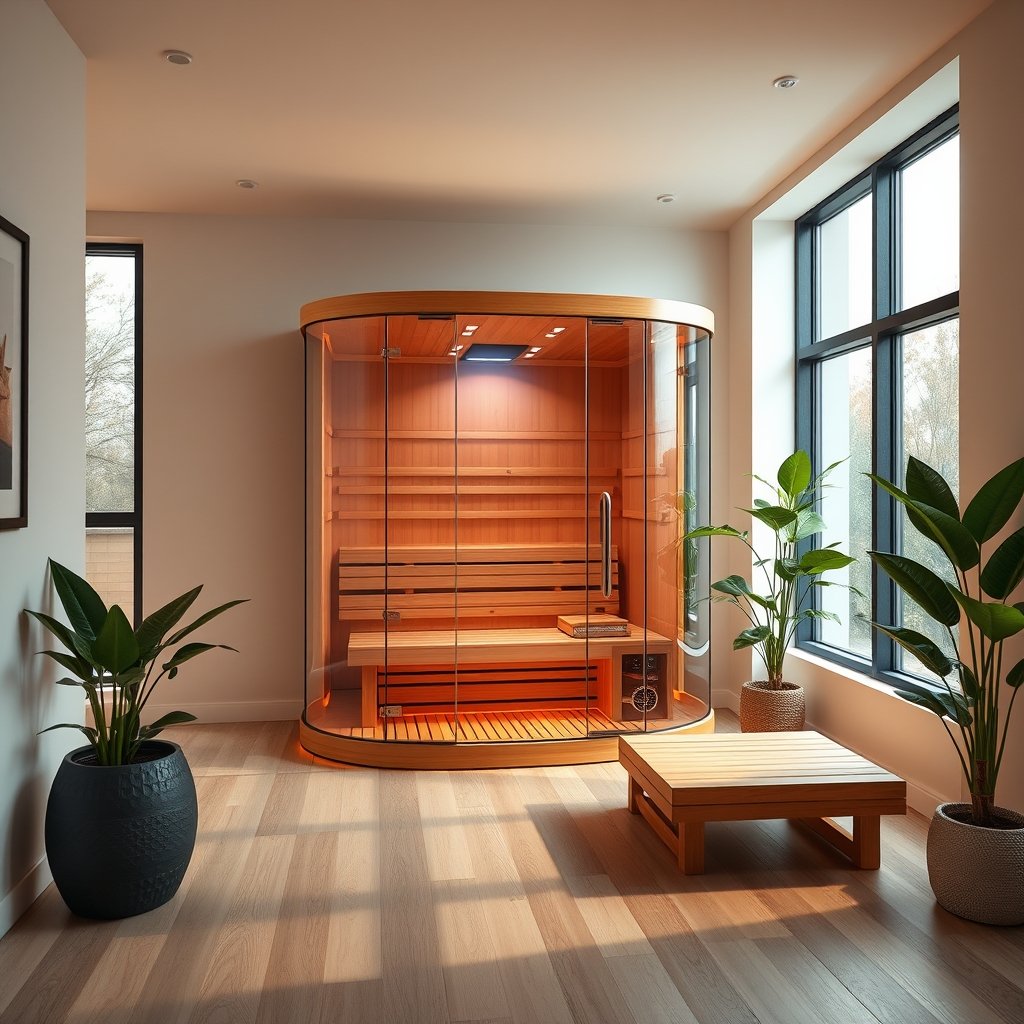
Choosing an infrared home sauna instead of traditional or steam models has real-world effects on space, cost, and user experience. Here’s what matters:
- Infrared: Heats the body directly with IR panels (not the air). Typical temps are 120–140°F, making them more comfortable for most users and much more energy efficient. Ideal for frequent, quick sessions in compact or multipurpose rooms.
- Traditional (dry): Uses wood or electric stoves to heat stones, radiating heat into air at approx. 180°F. Requires major electrical and ventilation planning; less energy-efficient but delivers an intense “authentic” sauna feel.
- Steam: Uses a steam generator with high humidity, suits those who prioritize moist heat—but needs stronger ventilation, regular mold/mildew checks, and may hike energy bills.
Research finds that infrared models’ lower ambient temps increase accessibility, while lower energy use translates to real savings for homeowners over time.
Portable infrared sauna and sauna box for home — who should buy these (pros/cons)
Portable options—like zip-up sauna tents, plug-and-play sauna boxes, and small IR cabins—fit almost any room, and let you skip costly construction or permanent room loss. If you’re an apartment dweller, you can set up or break down a session in minutes. And if you travel, some units are designed for pack-and-carry portability.
But there are trade-offs: user reviews highlight fabric tears, zipper failures, and heat-leak in low-cost “sauna box for home” models. Tent-style saunas especially can develop leaks or rips with repeated folding. Infrared sauna boxes or compact wooden cabins are more durable and retain heat better, but eat more space and budget.
Bottom line: Portable infrared saunas are a quick win—but read durability reviews and always inspect for shipping damage on arrival.
DIY sauna kit vs pre-built cabin — realistic expectations and timelines
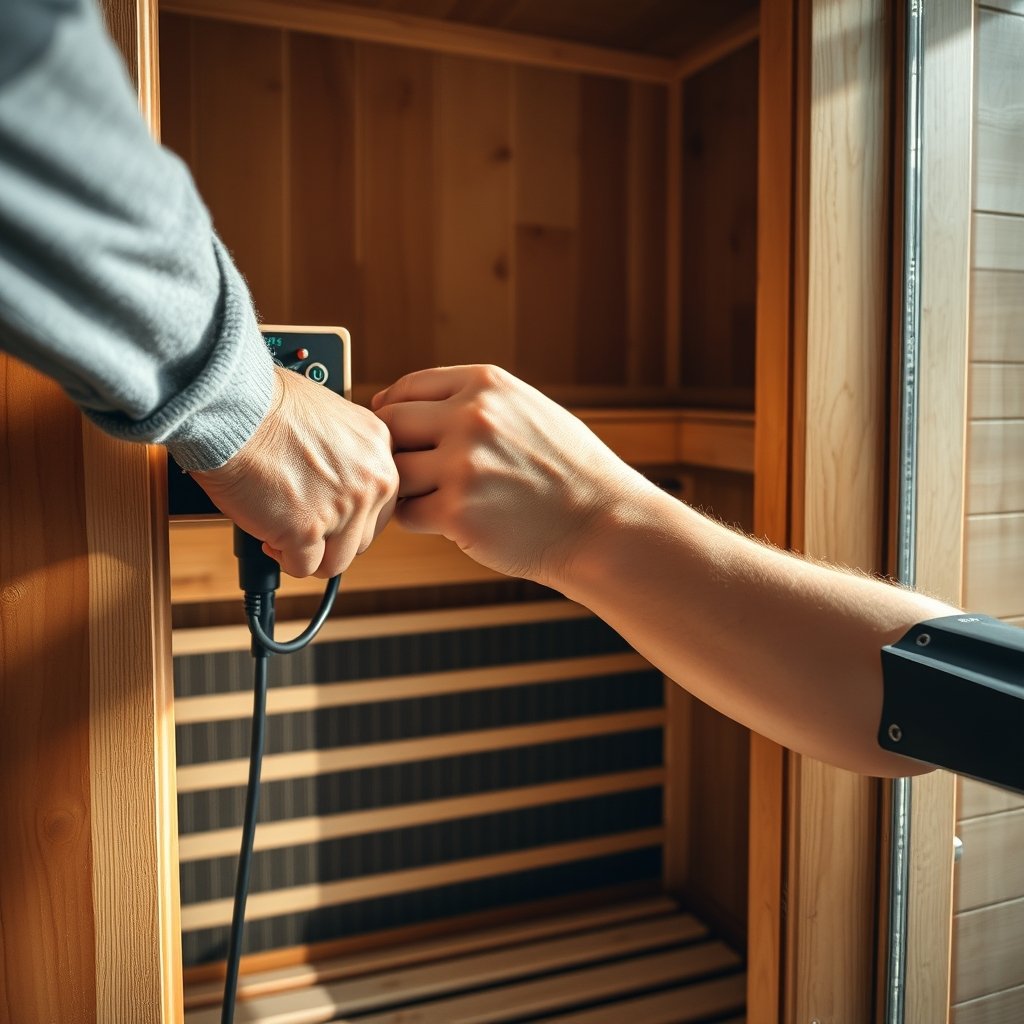
A DIY sauna kit can save up to 40 percent over pro installs, and recent years saw a surge in easy-to-order, step-by-step kits. But DIY means you’ll need moderate carpentry skills, basic tools, and a clear understanding of your home’s electrical capacity.
The biggest pain points: panel locking systems that are more fiddly than advertised, missing or damaged shipping components, and unclear electrical specs. Assembly can take 3–12+ hours. Pro-installed infrared home saunas mean a higher upfront cost but minimize install risk and usually come with professional inspection and a more robust warranty.
Choose a DIY kit if you enjoy hands-on projects, can follow electrical safety directions, and don’t mind potential troubleshooting. Otherwise, invest in a certified installer or buy a pre-built cabin with white-glove setup.
Home sauna installation — step-by-step checklist for homeowners
Installing an infrared home sauna at home isn’t one-click simple. Use this step-by-step checklist to avoid common pain points:
- Space evaluation: Measure your dedicated sauna area. Account for door swing, egress, and minimum safety clearances per your local code.
- Power readiness: Most units under 1500W use standard 120V 15A outlets, but larger cabins (2000W+) may need 240V with a dedicated breaker. Always check your breaker/panel capacity before ordering.
- Floor & wall protection: Ensure the flooring is non-combustible. Carpet is not recommended. Use a vapor barrier for added safety in humid zones.
- Ventilation: Even IR models need airflow to prevent condensation and maintain air quality. Plan for a small operable window or passive vent if possible.
- Assemble per instructions: Lay out all parts to check for shipping damage or missing components (inspect delivery before signing). Assemble panels carefully; ask for help if panels are heavy.
- Connect electrical: Follow the manual’s instructions exactly. For any non-standard wiring or 240V units, call a licensed electrician.
- Commissioning: Test sauna operation, controls, and safety features before first use. Keep manufacturer’s warranty info and test reports handy.
Want a printable version? Download our 1‑page installation checklist (PDF) for your project binder.
Jurisdiction-specific electrical & safety best practices (a must-read)
The #1 complaint from DIY buyers is “unclear electrical-code guidance.” Here’s what every homeowner needs to know before installing an infrared home sauna:
- Most portable infrared saunas and sauna boxes use 120V standard North American outlets (15A); larger cabins typically require 240V/20A with a dedicated double-pole breaker.
- GFCI protection is strongly recommended for all sauna circuits to protect against shocks—especially if the sauna is in a bathroom, basement, or near water installations.
- You may need a permit if installing a new dedicated circuit or hardwiring a sauna. Always ask your building department!
- Template for local code questions:
- Do home IR saunas require a permit in my city/county?
- Is GFCI required for portable sauna installations?
- Can I perform this work as a homeowner, or must I use a licensed electrician?
- Are there required minimum clearances or smoke detector placements?
If you’re ever unsure—call a pro. Unpermitted or improperly wired saunas are a top homeowner insurance risk.
Looking for other energy‑smart appliance setups? Check our heat pump water heater installation guide to reduce home energy costs safely.
EMF, VOCs and independent testing — what to demand from manufacturers
Infrared panels, adhesives, and wood in saunas can introduce electromagnetic fields (EMF) and volatile organic compounds (VOCs) that may affect sensitive users. Unfortunately, competitor articles rarely cover this in depth. Here’s what smart buyers check:
- EMF basics: Demand published lab test reports stating measured EMF at multiple points in µT or mG. Look for values below 2.0 mG at head/seat height for the lowest exposure.
- VOCs: Only consider brands that show independent test data (usually in parts per billion, ppb) for off-gassing from woods or adhesives. Poorly cured materials can emit strong smells or toxins for months.
- Certifications: Check for ETL, UL, CE, or Intertek safety marks. Ask the manufacturer: “Can you provide independent EMF/VOC lab results for this exact sauna model?”
- Review competitors’ safety and health certifications—demand clear disclosure, not vague claims.
Need more background? Read this in-depth safety primer on portable saunas.
Be sure to ask for EMF/VOC test reports and keep copies with your owner’s manual.
Lifecycle costs: purchase price, energy, maintenance, and replacement parts
Budget for the full journey, not just the checkout price. Here’s how real ownership breaks down for the main types:
| Feature | Portable Infrared Sauna | DIY Sauna Kit | Pre-built Cabin |
|---|---|---|---|
| Upfront Cost | $300–$2,000 | $1,800–$4,000 | $3,500–$8,000+ |
| Estimated Energy Use | 1–1.5 kWh/session | 1.5–2 kWh/session | 2–3 kWh/session |
| Monthly Power Cost* | $4–$9 | $7–$14 | $10–$18 |
| Maintenance | Wipe down, replace fabric | Panel cleaning, wood treatment | Panel/wiring inspection, wood sealing |
| Typical Warranty | 6 months–2 years | 2–5 years (DIY panels) | 5 years–lifetime |
*Estimates based on 4 sessions/week, $0.15 per kWh. Energy efficiency is a core buying reason for infrared models compared to traditional or steam.
For more on total ownership and the environmental impact of home upgrades, see our in-depth heat pump vs. tankless water heater guide.
Common user-reported issues and troubleshooting (portable & DIY focus)
- Unclear electrical-code guidance: If you’re unsure about wiring requirements, pause installation and call a licensed electrician. Safety is worth the brief delay.
- Panel locking system headaches: Tricks include laying all panels on a flat surface, marking connectors with painter’s tape, and enlisting a second pair of hands for final joins.
- Shipping damage: Inspect all deliveries before accepting. Take photos and document any broken glass, cracked panels, or missing parts.
- Inadequate temperature controls: Some lower-end models provide only two or three heat settings. If you want granular control, look for digital thermostats with memory.
- Sauna box fabric durability: If your portable tent tears or leaks, patching kits or fabric tape work for small defects; severe rips may need panel replacement. Warranties rarely cover user damage, so buy from retail sources with easy returns.
Keep the manufacturer’s troubleshooting support contact info handy, and be sure to register your product for warranty coverage. Many user complaints are easily solved with methodical setup and open communication.

Small home sauna ideas — placement, ventilation hacks, and space-saving designs
If you’re pressed for space, you don’t have to miss out. Smart planning lets you enjoy a full sauna experience even in small homes or larger apartments:
- Corner cabins: Triangular units fit in unused corners and offer full seating while saving square footage.
- Sauna box for home: Zippered or clip-together infrared sauna boxes allow temporary setups in bedrooms or closets, then fold down for storage.
- Stackable or fold-down benches: These maximize posture variety without permanently stealing floor space.
- Ventilation hacks: Use a small pass-through vent or portable extraction fan to reduce condensation in closed rooms. Keep at least two inches between sauna and walls for air flow.
- Electrical placement: Position your unit within reach of a grounded outlet, and use cord covers to avoid trip hazards.
Space-saving sauna strategies are on the rise, boosting home upgrade value and personal wellness. For more compact wellness ideas, don’t miss our research on hybrid water heater benefits and optimizing laundry rooms.
Quick buyer’s checklist & call-to-action (what to do next)
- Decide: What size fits your space? Do you want a portable sauna, DIY sauna kit, or permanent cabin?
- Check electrical: Do you have the right circuits and outlets? If not, call an electrician or request a quote before ordering.
- Ask for test reports: Request EMF and VOC independent lab results for your chosen infrared home sauna model before purchase.
- Estimate your full-year cost: Add up purchase, average energy per session, and estimated maintenance or replacement of key parts.
- Inspect delivery: Never sign for a sauna without confirming all panels, hardware, and glass are undamaged and accounted for.
- Get warranty terms: Clarify what labor, shipping, or replacement fees apply in years 1–5; file your warranty claim immediately after install.
Residential demand already pushed total home sauna installations past 500,000 worldwide, with infrared home sauna sales toppling 210,000 in 2025 (source). Don’t let urgency cut corners—bring your questions, insist on certifications, and set up your wellness retreat with total confidence.
Ready to upgrade your home wellness setup? Start by requesting free model-specific test reports before you buy.
Resources & sources to cite (what buyers should read next)
- Market trends: Portable Sauna Market Report (2024–2035)
- DIY community: Infrared Sauna DIY Course & Owner’s Guide
- Electrical code: National Sauna Install Mistake Guide
- Testing & safety: Sauna Safety & Testing Primer
- Additional home energy tips: 120v heat pump water heater and hybrid options
Many community-driven DIY courses launched after mid-2024 help streamline the build process—but always crosscheck safety steps and test requirements before you start.
FAQ
Do infrared home saunas use a lot of electricity?
No—most infrared home saunas use 1–3 kWh per session, making them roughly 30–50 percent more energy efficient than traditional or steam models. Expect $4–$18 per month in power costs, depending on sauna size and usage.
What’s the biggest install mistake to avoid?
The most frequent mistake is skipping proper electrical review and code checks. Always confirm circuit ratings and GFCI needs before assembling any sauna, especially DIY kits or permanent cabins.
Are portable infrared saunas as effective as cabins?
Portable models deliver quick sessions and decent sweating but may not retain heat as well as full cabins. Fabric tents can occasionally leak heat, and durability is lower. Choose a sauna box or compact cabin for longer, hotter sessions and better longevity.
How do I check for safe EMF and VOC levels in my sauna?
Ask for independent test reports from the manufacturer. EMF should be below 2.0 mG at user height; VOCs should test low (usually under 300–400 ppb). Avoid brands that won’t provide clear, model-specific data.
Can I install a DIY sauna kit myself?
You can assemble most DIY kits if you have basic tools and follow instructions—but call an electrician for any hardwiring, new circuits, or if you’re unsure about voltage requirements. Local permits may be needed for permanent cabins.
Summary: Smarter Infrared Home Sauna Buying & Installation
Making a well-informed decision on an infrared home sauna in 2024 means balancing upfront cost, long-term energy efficiency, and concrete safety evidence. Don’t settle for vague claims—focus on real test results, total lifecycle cost, and code-compliant installation. The market is bustling, but with these steps, you can choose an infrared home sauna setup that’s safe, vetted, and truly “home ready.” Begin by comparing certified options, checking your electrical panel, and requesting EMF/VOC reports before you buy.
Ready to take the next step? Download our checklist, ask for lab results, and consult with your local building department—start your home wellness journey the safe, smart way.